Contract Drapery Fabrics
Wide-width. Specification ready.
Sheers, dimouts and blackouts developed for hospitality windows. Wide-width concepts can reduce seams; current performance documentation must be confirmed before specification.
Browse all drapery fabrics ↗Development collection: request the current NFPA 701 report for the exact textile, color and finish before relying on a listed target.
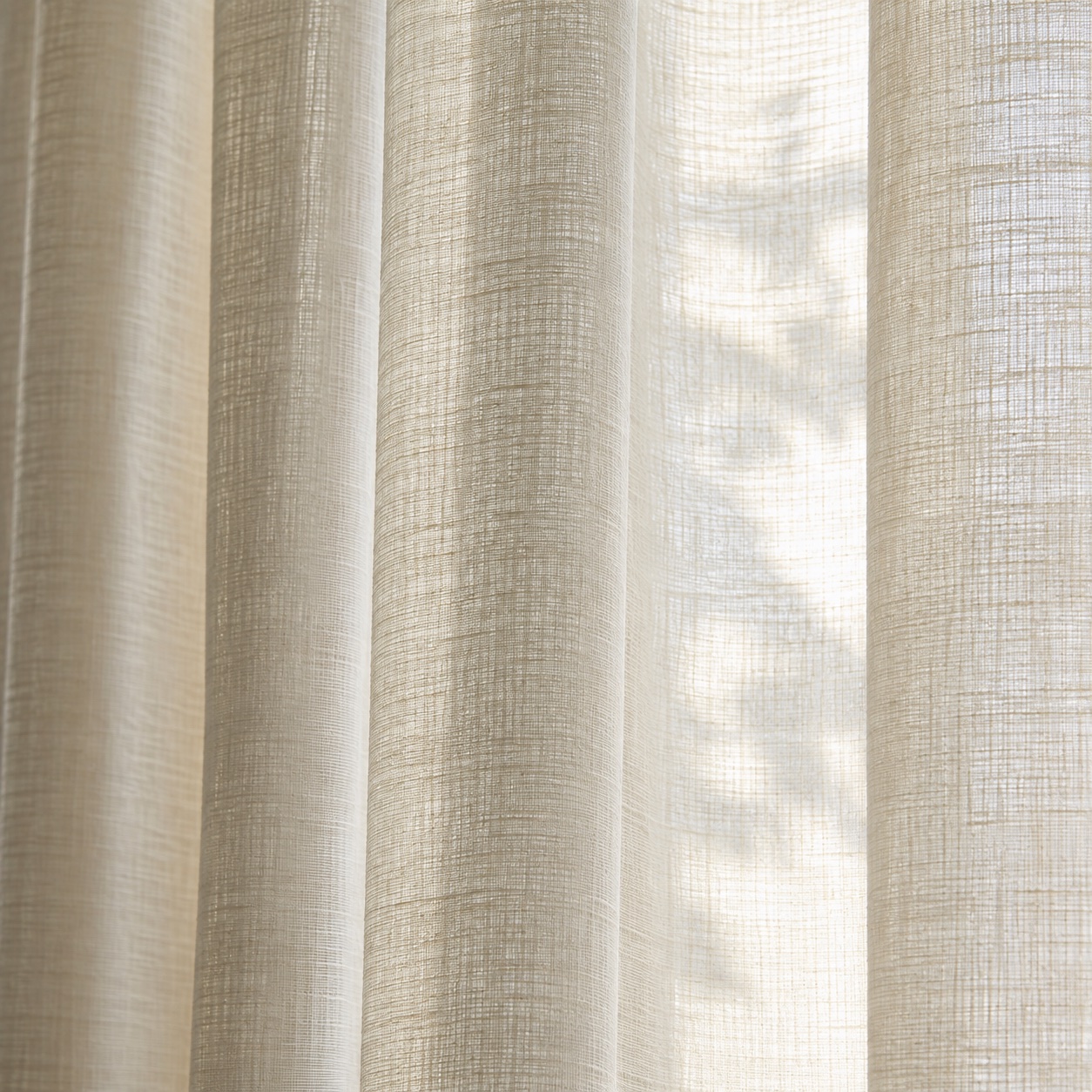
Drapery fabrics.
Cachette Wide Sheer Linen
Linen-look, 5 colorways. The Parker specialty sheer for hospitality drapery walls.
SHEER · WIDE-WIDTH CONCEPTCachette Linen Sheer 118
Refined linen hand, seamless drapery walls. 4 neutral colorways.
DIMOUT · PERFORMANCE TARGETDimout Texture
70–80% light reduction, woven face, slub texture. 5 colorways.
DRAPERY VELVET · PERFORMANCE TARGETDrapery Velvet
Heavyweight cut pile, luxury blackout. 6 colorways for high-end guestrooms.
BLACKOUT · WIDE-WIDTH CONCEPTBlackout Pro 118
Blackout concept with a linen-look face. Verify measured light exclusion and current fire-performance documentation.
What hospitality designers ask about drapery fabric
What fire standard is required for hotel drapery?
NFPA 701 is commonly referenced for hanging textiles, but the adopted code, occupancy, location and authority having jurisdiction determine the requirement. Confirm the exact textile, finish and fabricated construction covered by the current report before specifying.
What width drapery fabric eliminates seams on large hotel windows?
Wide-width textiles can reduce seams when the fabric orientation, usable width, finished length, repeat and workroom method align. Ask the workroom to lay out the exact window and heading; a nominal width alone does not guarantee a seamless panel.
What is the difference between sheer, dimout, and blackout drapery fabric?
Sheers diffuse light and provide limited daytime privacy; dimouts reduce more light without promising full darkness; blackouts are constructed for very high light exclusion. Verify the exact product’s measured light performance, color, seams and installation because edge and track conditions affect the room result.
How do I calculate fabric yardage for hotel drapery?
Yardage depends on track width, heading system, fullness, fabric orientation, repeat, usable width, finished length, hems, joins and workroom allowances. Have the selected workroom calculate each room type from approved drawings and physical samples.
What does NFPA 701 testing actually involve?
NFPA 701 contains test methods for evaluating flame propagation of textiles and films; the applicable method depends on the material and specimen criteria. It is not a rule that every fabric must pass both Test 1 and Test 2. Request the complete current report and confirm that its method, specimen and conditioning match the proposed textile.
Need fire rating help? Read the Parker fire rating guide →
Connecting contract textiles with the spaces they serve.